viernes, 24 de enero de 2014

Some techniques to record a video

http://macaulaylibrary.org
    If you try to record a good video and you don't know how to do it... Don't worry! Here I am writing some techniques; you only have to read it and enjoy it!


Position yourself and your camera. If you are using a tripod, probably it's stable, but if you're not using it, you have to stabilize yourself and your camera as best as you can. How? It's easy, just keep your arms close to your body and breathe steadily. 


Audio. In my opinion, audio is as important as vision, so you should record in a place where there isn't too much wind.


Your shot. Then do a quick metal check: white balance, focus, framing (horizontal and vertical lines, background,...) and iris.


Optical zoom. Don't use digital zoom, please. You should never use it, unless you like grainy or pixilated video.


Keep a extra battery around. Backup battery power is just as important as keeping extra discs or tapes on hand. Some batteries offer longer recording times.


Use both eyes. A valuable skill is the ability to use one eye to look through the viewfinder, and the other eye to watch your surroundings. It takes a while to get used to it, but it means that you can walk around while shooting without tripping over, as well as keeping an eye out for where the action is happening. It's also easier on your eyes during long shoots.

http://www.ronaldvasquez.com/wp


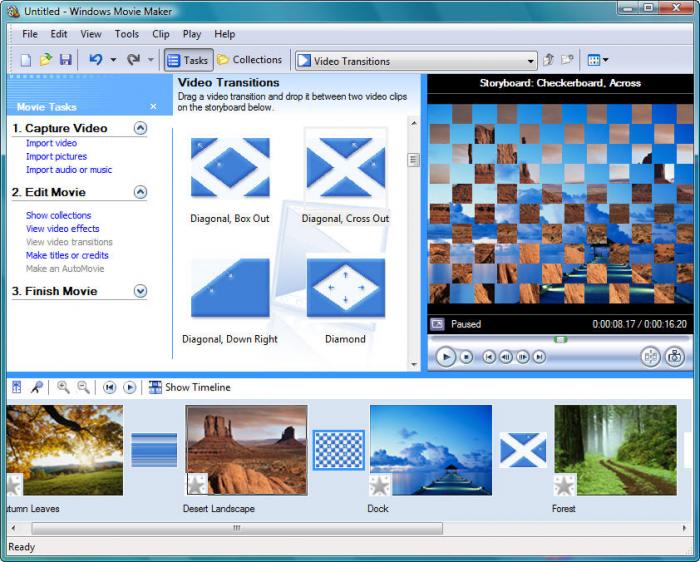
Finally, edit your production. Editing your video shots using what is called a nonlinear editor, such as Windows Movie Maker or iMovie -It depends on you-, is simply the best way to make better video productions. The process is not difficult, but it requires extra time. With a movie editor, you can get rid of poor shots, add smooth transitions, music and titles to make your production worth watching.


I hope this helped you!


viernes, 17 de enero de 2014

Translating Body Language

 http://prettymomguide.com
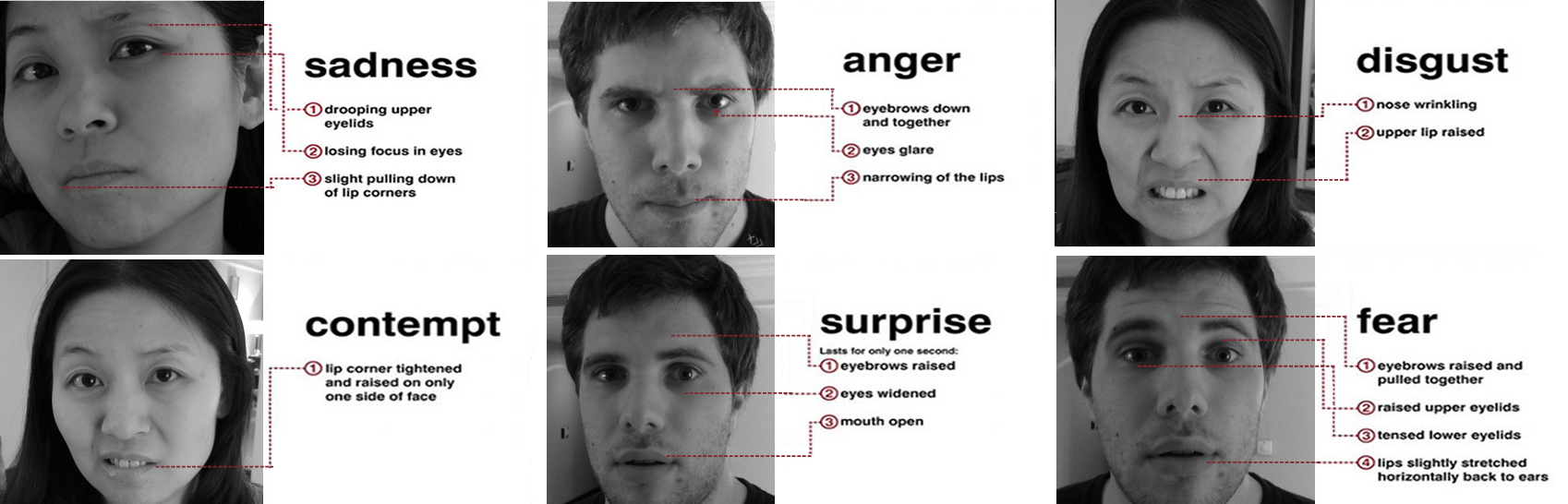
    The gestures, postures and facial expressions by which a person manifests various physical, mental, or emotional states and communicates nonverbally with others.

    Following are some examples of body language, each of this examples communicates a message even without saying a word. 

-Nail biting, it is a type of habit than can demonstrate stress or insecurity.

http://3.bp.blogspot.com
-Arms crossed over the chest. This example of body language can indicate that the individual is being defensive.

-Finger-tapping, it demonstrates that a person is impatient or tired of waiting.

-Hand placed on the cheek. It indicates that a person is lost in thought or is considering something.

-A tilted head demonstrates that you are listening keenly.

-Placing the tips of fingers together. You are a person with authority.

-Touching the nose. It can signify a lot of things, such as: It can be a signal of non-acceptance or that he/she is lying about what he/she is saying.

-Palms open. When someone has an open palm is a sign of openness and honesty, but at the same time it can be a show of submission.

-Pulling to the ear. Sometimes, people pull the lobes of one of their ear when they have to make a decision and they are thinking about it because they are indecisive. It indicates that they cannot come to a conclusion.

    Now, you can be on the lookout for people using body language in your every day interactions and you can know more about the people who are around you.

 http://leadingpersonality.files.wordpress.com


lunes, 13 de enero de 2014

The most common phobia: Fear of Public Speaking

    Public Speaking is speaking to a group of people in a structured, deliberate intended to inform, influence or entertain the listeners. Fear of public speaking is the most common of all phobias, It's a form perfomance anxiety in which a person becomes very concerned that he or she look visibly anxious, maybe even have a panik attack. You can solve the problem...

 http://manuelbellido.com
 Some steps to Successful Public Speaking:

1-Clarify your objective.

2-Analyze your audience.

3-Collect and organize your information.

4-Choose your visual aids.

    You can practice in front of your mirror, for example.

5-Prepare your notes.

    It is advisable to make notes in  the speech, such as an intonation, a gesture that I will do,...

6-Rehearse, rehearse and rehearse.

    Talk out loud and walk around while you practice. Use the same physical energy you plan to use on the day of your presentation. Practice in the car... Why? If you can concentrate while driving, you will be able to pull it from your unconscious when you are in front of the group. Make your points sound off-the-cuff.

 http://www.institutocomunicacionpolitica.com
7- Abstain from caffeine and alcohol before you speak.

    You do not need more jitters. 

8-Always wear your favorite outfit and use attractive colors.

9-Don't be perfect.
    If you're wrong, you don't worry. People are not perfect in real life and give yourself permission to make mistakes.