domingo, 6 de abril de 2014

LE PLUS BEL AVION DE L'HISTOIRE DE L'AVIATION: LE CONCORDE.


http://youaretalkingtome.files.wordpress.com
    Le vent change de direction et dans le vent, un avion, des lignes fines et élégantes, qu'il défie, tandis un surprenant silence règne. Pour obtenir des propriétés aérodynamiques capable de surmonter des conditions météorologiques défavorables, le temps et le travail sont nécessaires. 
    Un travail méticuleux des techniciens du Concorde, est devenue le premier avion supersonique commercial du monde.

   Le Concorde est un avion de ligne supersonique construit par l’association de Sud-Aviation et de la British Aircraft Corporation. Les vols commerciaux ont commencé en 1976 et se sont terminés 27 ans plus tard, en 2003. Le vol connu: Paris-New York, pour un vol, il emporte 92 à 95 tonnes de carburant pour en consommer 80 tonnes environ. Au roulage CONCORDE consomme 1 tonne de kerosene. La forte consommation de carburant de l'avion a rendu non rentable son exploitation. Il a été le moteur d'importants développements technologiques et stratégiques, et a eu un fort impact culturel.

Accident du Concord

http://www.elamerica.cl/wp
    La vie du Concorde fut seulement entachée d'un seul accident survenu le mardi 25 juillet 2000 qui vit l’accident dramatique du vol Air France AF 4590 à destination de New York du Concorde n° 203 immatriculé F-BTSC au décollage de Paris- Roissy-Charles-de-Gaulle à 16 h 44. Jusqu'à ce jour Concorde n'avait jamais été frappé par une catastrophe aérienne.

    Enfin, après ce qui s’est passé et comment il était cher, d'un commun accord, les deux compagnies exploitant le 'CONCORDE', Air France et British Airways ont annoncé leur décision de mettre fin à l' exploitation du seul avion commercial supersonique au monde, après 27 ans de service, à la date du 31 octobre 2003.

    À mon avis, je crois que c’était, est et sera toujours le plus bel avion de l’histoire de l’aviation et c'est une honte que aujourd'hui il ne vole pas pour des raisons économiques. Même si je peux, tous mes dessins seront inspirés par l'avion le plus élégant dans le monde.

http://www.f20x.com


viernes, 4 de abril de 2014

Entrevistando.


http://4.bp.blogspot.com
    Las entrevistas están a la orden del día, por ello es importante saber como hacerlas. 

En primer lugar, tienes que pensar cual es el objetivo de la entrevista: Conocer más sobre la vida de esa persona o su forma de pensar sobre un determinado tema.

En relación con lo anterior, lo siguiente que se tiene que hacer es escribir varias preguntas básicas como: ¿Dónde vives? ¿Trabajas o estudias? y luego centrate en las que van a sonsacarle la información que de verdad te interesa. Por decirlo de otra forma, son el aperitivo que abre boca. Además tienen otra función, en cierta forma hacen que el lector se meta aún más en la lectura.

Por último, y no por ello menos importante. Recuerda que una buena presentación es más que mil palabras. Esta entrevista se puede realizar de varias formas:

  -Escrita: Recuerda redactar un documento claro, con espacios para que el entrevistado pueda responder adecuadamente.

http://www.fondos7.net
   -Narrado: Lo más lógico es usar un microfono. En estos casos la acústica es vital, así que lo primero de todo es buscar un lugar adecuado. A la hora de grabar debes de tener en cuenta que tienes que grabarte haciendo la pregunta y luego recomiendo que le dejes un tiempo para pensar antes de grabar su respuesta.

   -Grabación en directo: Deja al entrevistado que se prepare un rato antes las preguntas. Luego monta un video con algún editor y si puedes escribe cada una de ellas, es más visual.

miércoles, 2 de abril de 2014

How to write a News Article?

http://www.realviewdigital.com/wp
    Writing a news article is different from writing other articles or informal pieces. Why? Because news articles present information in a specific way, so it is important to be able to convey all the important information in a limited word count. Knowing how to write a news article can help you expand a journalism degree. I explain it in some steps: 


1- Compile all your facts.

   Before you write, you should make a list or outline of all the pertinent facts and information which need to be included in the article.


2- Start with the lead.


    News articles begin with a leading sentence that is meant to grab a reader's attention and interest them. It is one of the most important parts of an article.


3- Give all the important details.


    The next important step to writing news articles is including all the relevant facts and details that relate to your lead statement. Include the basics of what happened, where and when.


4- Follow up main facts with additional information.


    Additional facts about the topic or people involved helps round out the article.


http://3.bp.blogspot.com
5- Check facts before concluding.
    
    Writing accurately is one of the best ways to establish yourself as a competent news article writer.

6- Remain unbiased.
  
    A news article is objective, you can not show your opinions. 

7- Conclusion.


    This is often a restatement of the leading statement or a statement indicating potential future developments relating to the article topic.

A picture is worth a thousand words.


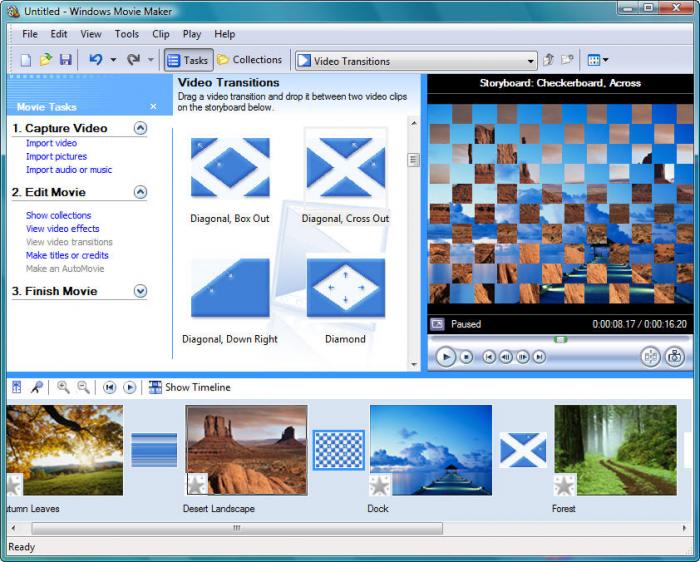
    Sometimes they ask us to make a presentation or video on a particular topic. Whether at school, college or our work, we can carry it out properly, but ... What is the correct way? The answer is simple. The correct way to do things, is to make watching the video who is forget everything else, that is when you catch the attention of your boss or teacher, for example.
    To get "bewitch" the viewer making all your senses are in your presentation is not an easy task, based hechar get hours, because you know, all work has a reward. 
    Then I made a little guide of things you should consider.

1 - Nothing goes right the first time. (IMPORTANT) 

2 - Everything can be improved. What are all the photos and the text does not make it an entertaining video, because we tend to believe that everything we do is prefect. I always ask for a second opinion.

3 - You centrate on the subject. If you are doing a story, you can not put pictures aggressive. Use soft colors. A range of pastel colors will be the best option.

4 -Transitions must be studied. You can not put five pictures without text that take forever and then a full uniform with text background. To make reading more enjoyable, you need to divide the text with different images. 

5 - Cohesion. Does all relationship? Imagine you're expounding on the Labrador dog breed suddenly seems a picture of a Husky. That is catastrophic! And you will wonder why you mention if it's obvious, but I can assure you that I have seen in many forms in which things how are you are the order of the day.

6 - Music. Put aside your taste for Rock, Heavy Metal and Reggeton, here is worthless. A video can not be subjective. The music sets the mood. Surrounds us and makes our video acquire realism and credibility.

    I hope these tips will help, but as a picture is worth a thousand words, here I leave a video I made. I hope you serve:


Una imagen vale más que mil palabras.

    En algunas ocasiones, nos piden que realicemos una presentación o video sobre un tema concreto. Ya sea en el colegio, la universidad o nuestro trabajo, debemos llevarla a cabo de forma correcta, pero... ¿Cuál es la forma correcta? La respuesta es simple. La forma correcta de hacer las cosas, es lograr que quien está viendo el video se olvide de todo lo demás; es decir, cuando captas la atención de tu jefe o profesor, por ejemplo.
    Para conseguir "hechizar" al espectador haciendo que todos sus sentidos estén en tu presentación no es una tarea fácil, lo obtienes a base de hecharle horas; pues ya se sabe, todo trabajo tiene una recompensa. 
    A continuación, he hecho una pequeña guía de cosas que deberías tener en cuenta.

1- Nada sale bien a la primera. (IMPORTANTE) 

2- Todo se puede mejorar. Que estén todas las fotos y el texto no significa que sea un video ameno, porque tendemos a creer que todo lo que hacemos es prefecto. Yo pido siempre una segunda opinión.

3- Debes centrate en la temática. Si estas haciendo un cuento, no puedes poner fotos agresivas. Utiliza colores suaves. Una gama de colores pasteles será la mejor opción.

4- Las transiciones deben estar estudiadas. No puedes poner cinco fotografías sin texto que tarden una eternidad y luego una con el fondo uniforme lleno de texto. Para que la lectura sea más amena, te recomiendo que dividas el texto por las distintas imágenes. 

5- Cohesión. ¿Tiene todo relación? Imagina que estas exponiendo sobre la raza de perro Labrador y de repente a parece la foto de un Husky. ¡Eso es catastrófico! Y os preguntareis que por qué lo menciono si es obvio, pero puedo aseguraros que he visto en muchas presentaciones en las que cosas como estas están a la orden del día.

6- Música. Deja de lado tu gusto por el Rock, el Heavy Metal y el Reggeton, aquí no vale. Un video no puede ser subjetivo. La música crea el ambiente. Nos envuelve y hace que nuestro video adquiera realismo y credibilidad.

    Espero que estos consejos os ayuden, pero como una imagen vale más que mil palabras, aquí os dejo un video que he hecho. Espero que os sirva:


Entrevista realizada a un futuro Ingeniero de Sistemas Audiovisuales de Telecomunicación de la Universidad Europea de Madrid


• ¿Qué estudias?

Ingeniería de Sistemas Audiovisuales de Telecomunicación.


• ¿Dónde?


Universidad Europea de Madrid

• ¿En qué curso estás?

Tercero


• ¿Qué opinas de la carrera?


Es una carrera interesante pero que tiene mucho que ver con Telecomunicaciones.


• ¿Tiene algo que ver con lo que pensabas antes de hacerla?


No, pensaba que no iba a estar tan directamente relacionada con Telecomunicaciones.


• Hay personas que al principio les gusta una carrera, pero luego se dan cuenta que no es así. ¿Te ha pasado?


Si, totalmente.


• Hasta ahora, ¿Cuál ha sido la asignatura más difícil?


Cálculo 2.


• ¿Por qué?


Es una asignatura diferente a las demás en la que se pide unos conocimientos que no había visto.


• ¿Qué opinas de la asignatura de habilidades de la comunicación?


Es una asignatura interesante que te ayuda a poder comunicarte en público y a realizar mejores presentaciones.


• ¿La consideras importante para la ingeniería?


Si


• ¿Por qué?


Porque las presentaciones y saber como expresarte en público es importante a la hora comunicarte no solo con tus compañeros y profesores, también con miras hacía tus futuros jefes.


• ¿Te resultó compleja?

No.


• ¿Le dedicaste mucho tiempo?


La verdad que no mucho.


•De todos los trabajos que has hecho para esta asignatura, ¿Qué consideras importante?


Las presentaciones.


• ¿Por qué?


Porque no es algo que se aprenda fácilmente, se require practica y visión para lograr captar la atención de quien lo está viendo.


• ¿Qué recomiendas o qué recomendaciones le darías a alguien que quiere hacer una ingeniería o que está estudiando primero?


Que tenga en cuenta que no es una carrera fácil, solo conseguirá su objetivo si trabaja y estudia.


• ¿Qué curso recomiendas para estudiar en el extranjero?


Cuarto.


• ¿Por qué?


Porque es el último año. Como vas a finalizar el grado, te abre puertas hacía el mercado extranjero.


• Si pudieras quitarte una asignatura de cada curso, ¿Cuál sería? 


Primero: Cálculo I
Segundo: Cálculo II
Tercero: Acústica Arquitectónica.

Cuarto: No lo he cursado aún.

• ¿Por qué?


Porque me han parecido las más difíciles.


• Para terminar, ¿podrías explicar la utilidad, de alguna herramienta de habilidades de la comunicación en alguna asignatura de un curso superior? 


Realizar las presentaciones correctamente y expresarme mejor en público. 


miércoles, 26 de marzo de 2014

Communication Skill

    Sometimes the way we react and respond to others can make us feel inadequate, guilty or regretful. We have to learn how to do it correctly. When we respond, we can be:

Passive, Aggressive or Assertive 

Being Passive

http://2.bp.blogspot.com/
    Sometimes people adopt a passive attitude because they have a strong need to be liked by others and it is wrong. Finally people don't accept you.

Being Aggressive

    Aggressive responses can include a wide range of behaviors, like rushing someone unnecessarily, telling rather than asking, ignoring or not considering other people's feelings.

Being Assertive

   Being assertive can help us to feel better about ourselves, improving personal confidence. Assertiveness is expressing your thoughts, emotions, beliefs and opinions in an honest and appropriate way. As assertiveness should be encouraged in others it is also important to remember that we should always respect the thoughts, feelings, opinions and beliefs of other people. 

Now, two peers and me had to record a video about it. If you would like to watch it, here it is:


How to make a PREZI presentation?

Prezi1.png
    At first, what is PREZI? It is a really attractive presentation. This presentation has text and photos that you zoom in and out of. It is similar to a power point but it is more dynamic. 

    Advantages: You can show PREZI to others on a different computer through your PREZI account, or you can link to them. It is so useful because you can also embed them in blogs or in school projects or something like that.

    Now, if you want to create one, here I explain it following  these steps:


First Step: Create your own PREZI account.


Prezi-Programa-Alternativo
1. Click on "PREZI"
2. Click on "Sign Up" in the upper right-hand corner of your screen.
3. Here, it is much better that you click on "Free".
4. After, you click on "Register and Continue".
5. Finally, Welcome to PREZI! Choose to watch a video, view other people's prezi creations or create your own.

Second Step: Create your PREZI presentation.

I can explain it, but I think that is easier if you watch this video:


domingo, 23 de febrero de 2014

Work stress

    Stress is a stage of mental tension and worry caused by problems in your life, work, ect.
http://www.5ibaotou.com/wp
    Workers who are stressed are also more likely to be unhealthy, poorly motivated, less pro-ductive and less safe at work.
What causes work stress? 

    Poor work organisation, that is the way we design jobs and work systems, and the way we manage them, can cause work stress. 


    Excessive and otherwise unmanageable demands and pressures can be caused by poor work design, poor management and unsatisfactory working conditions. Similarly, these things can result in workers not receiving sufficient support from others or not having enough control over their work and its pressures.

The effects of stress

    Stress affects different people in different ways. 

- Become increasingly distressed and irritable.
- Become unable to relax or concentrate.
- Have difficulty thinking logically and making decisions.
- Enjoy their work less and feel less committed to it.
- Feel tired, depressed, anxious.
- Have difficulty sleeping.
- Experience serious physical problems, such as: heart disease, disorders of the digestive system and musculo-skeletal disorders, such as upper limb disorder.

Solving work stress problems

    The best strategies for work redesign focus on demands, knowledge and abilities, support and control and include:
 http://blog.occeducacion.com

- Changing the demands of work (e.g. by changing the way the job is done or the working environment, sharing the workload differently).

- Ensure that employees have or develop the appropriate knowledge and abilities to perform their jobs effectively (e.g. by selecting and training them properly and by reviewing their progress regularly).

- Improve employees’ control over the way they do their work (e.g. introduce flexi-time, job-sharing, more consultation about working practices).

- Increase the amount and quality of support they receive (e.g. introduce ‘people management’ training schemes for supervisors, allow interaction among employees, encourage co-operation and teamwork). 


The prevention of work stress.

    There are a number of ways by which the risk of work stress can be reduced. These include:

- Primary prevention, reducing stress through: l ergonomics, l work and environmental design, l organisational and management development.

- Secondary prevention, reducing stress through: l worker education and training.

- Tertiary prevention, reducing the impact of stress by: l developing more sensitive and responsive management systems and enhanced occupational health provision. 


Although I 've talked about stress work, you can suffer it in others stages of your life.


What is Asperger Syndrome?

 Fuente: Psyli.com
    Asperger syndrome is a form of autism, which is a lifelong disability that affects how a person makes sense of the world, processes information and relates to other people. This means that you cannot tell that someone has the condition from their outward appearance. This people have some difficulties in three main areas such as: social communication, social interaction and social imagination.

What causes Asperger Syndrome?

    The cause of AS is not known. Currente research points to brain abnormalities in AS. Using advanced brain imaging techniques, scientists have revealed structural and functional differences in specific regions of the brains of children who have AS versus those who de not have the disorder. These differences may be caused by the abnormal migration of embryonic cells during fetal development that affects brain structure and 'wiring' in early childhood and then goes on to affect the neural circuits that control thought and behavior.

    A specific gene for AS has never been identified. Instead, the most recent research indicates that there are most likely a common group of genes whose variations or deletions make an individual vulnerable to developing ASD. This combination of genetic variations or deletions, in combination with yet unidentified environmental insults, probably determines the severity and symptoms for each individual with AS.

Characteristics of Asperger Syndrome.

    The characteristics of AS vary from one person to another but as well as the three main areas of difficulty, people with the condition may have: 

 http://www.intereconomia.com
Love of routines

    To try and make the world less confusing. People with AS may have rules. Children, for example, may insist on always walking the same way to school. In class, they may get upset if there is a sudden change to the timetable.

Special interests

    They may develop an intense, sometimes obsessive, interest in a hobby or collecting. Sometimes these interest are lifelong, in other cases, one interest is replaced by an unconnected interest. For example, a person with AS may focus on learning all there is to know about, trains, cars, planes or computers.

Sensory difficulties.

    These can occur in one or all of the senses. The degree of difficulty varies from one individual to another. For example, bright lights, loud noises, particular food textures... can be a cause of anxiety and pain for people with AS.


    Finally, with the right support and encouragement, people with AS can lead full and independent lives.

miércoles, 5 de febrero de 2014

How to write an Autobiography

 http://todosloscomo.com/wp
    Everybody has a fascinating story to share to the world. Perhaps your experiences will be able to help someone or teach something, so "Why not?" You can do a lot of things, although in my opinion, the best way is an autobiography.

    You probably know what this is already, however I have to explain it. An autobiography is a biography of yourself which is written by you. Ok, but what is a biography? It narrates the most important facts of someone’s life, his or her childhood, adolescence... 

http://arainfo.org/wordpress/wp

    The First Step. When you are writing it you must decide who will be reading the book. A family autobiography requires a different level of writing, although if your life has been extraordinary, you might consider it being published. Most of the famous autobiographies are written by famous or  unknown people. For example: The Diary of the Young  Girl by Anna Frank. She was an unknown person who narrated her experiences which are interesting enough to form a fascinating story.


     The Second Step. Creating a timeline of your life is a good way to make sure you include all the most important events and days. Some advices:
-You don't have to begin with your birth. 
-You can mention some about your ancestry, such as your grandparents' life.
-You should explain something about your adolescence experiences; if you went to school, or something like that.
-Write about your relationship, studies, career, jobs, children, etc.
I you do it, you will help readers get a sense of how you became the person you are.

    The Third Step. You must identify the main characters. Most of them are extremely influential in people's lives, like teachers, boyfriends or girlfriends, mentors, pets, bosses, enemies...
 http://2.bp.blogspot.com

    The Fourth Step. If you like to write your entire life, you should continue an order.
-Your childhood.
-Your puberty.
-Relationships. Your first love, for example.
-What happened between the ages from 30 to 50?

    The Fifth Step. The story has to reach people so you might write in your own voice. You show your personality. Are you funny? Serious? Intense? Or you can write in stages, for example: Your adolescence could be written in funnier way than the period when you started to work because at that moment you were more mature.

    The Sixth Step. I think that it is the most important step because you must be true to yourself through your autobiography. Share all your opinions and ideas, reveal mistakes you have made and times when you've failed other people and yourself.

viernes, 24 de enero de 2014

Some techniques to record a video

http://macaulaylibrary.org
    If you try to record a good video and you don't know how to do it... Don't worry! Here I am writing some techniques; you only have to read it and enjoy it!


Position yourself and your camera. If you are using a tripod, probably it's stable, but if you're not using it, you have to stabilize yourself and your camera as best as you can. How? It's easy, just keep your arms close to your body and breathe steadily. 


Audio. In my opinion, audio is as important as vision, so you should record in a place where there isn't too much wind.


Your shot. Then do a quick metal check: white balance, focus, framing (horizontal and vertical lines, background,...) and iris.


Optical zoom. Don't use digital zoom, please. You should never use it, unless you like grainy or pixilated video.


Keep a extra battery around. Backup battery power is just as important as keeping extra discs or tapes on hand. Some batteries offer longer recording times.


Use both eyes. A valuable skill is the ability to use one eye to look through the viewfinder, and the other eye to watch your surroundings. It takes a while to get used to it, but it means that you can walk around while shooting without tripping over, as well as keeping an eye out for where the action is happening. It's also easier on your eyes during long shoots.


http://www.ronaldvasquez.com/wp


Finally, edit your production. Editing your video shots using what is called a nonlinear editor, such as Windows Movie Maker or iMovie -It depends on you-, is simply the best way to make better video productions. The process is not difficult, but it requires extra time. With a movie editor, you can get rid of poor shots, add smooth transitions, music and titles to make your production worth watching.


I hope this helped you!


viernes, 17 de enero de 2014

Translating Body Language

 http://prettymomguide.com
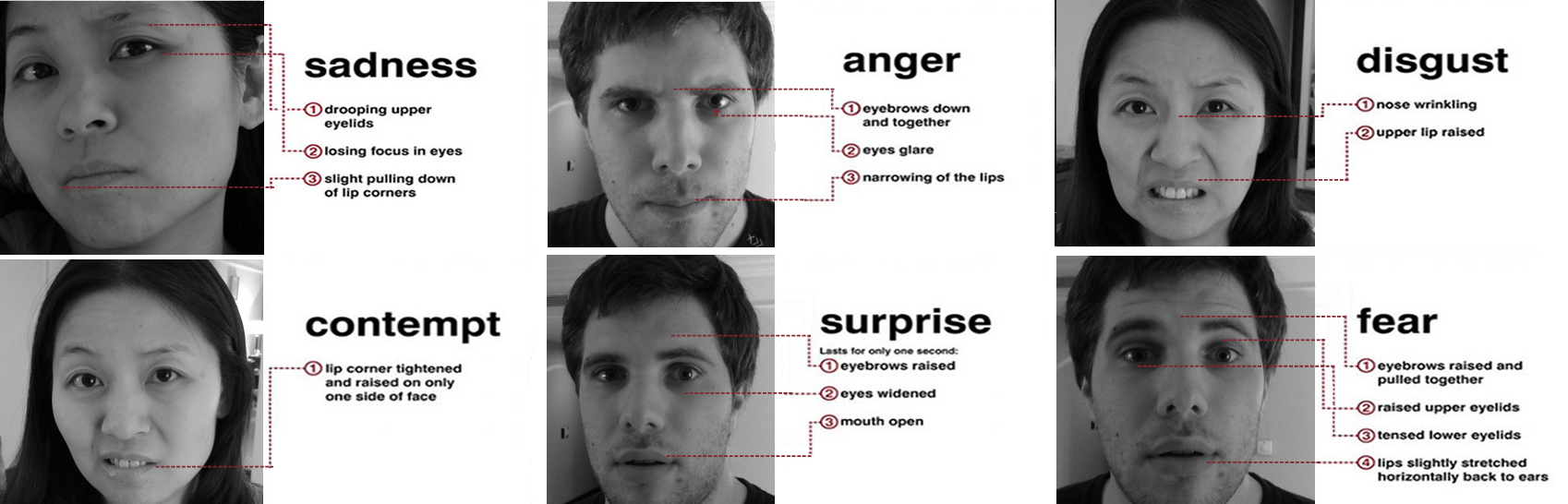
    The gestures, postures and facial expressions by which a person manifests various physical, mental, or emotional states and communicates nonverbally with others.

    Following are some examples of body language, each of this examples communicates a message even without saying a word. 

-Nail biting, it is a type of habit than can demonstrate stress or insecurity.

http://3.bp.blogspot.com
-Arms crossed over the chest. This example of body language can indicate that the individual is being defensive.

-Finger-tapping, it demonstrates that a person is impatient or tired of waiting.

-Hand placed on the cheek. It indicates that a person is lost in thought or is considering something.

-A tilted head demonstrates that you are listening keenly.

-Placing the tips of fingers together. You are a person with authority.

-Touching the nose. It can signify a lot of things, such as: It can be a signal of non-acceptance or that he/she is lying about what he/she is saying.

-Palms open. When someone has an open palm is a sign of openness and honesty, but at the same time it can be a show of submission.

-Pulling to the ear. Sometimes, people pull the lobes of one of their ear when they have to make a decision and they are thinking about it because they are indecisive. It indicates that they cannot come to a conclusion.

    Now, you can be on the lookout for people using body language in your every day interactions and you can know more about the people who are around you.

 http://leadingpersonality.files.wordpress.com